Start with the work geometry
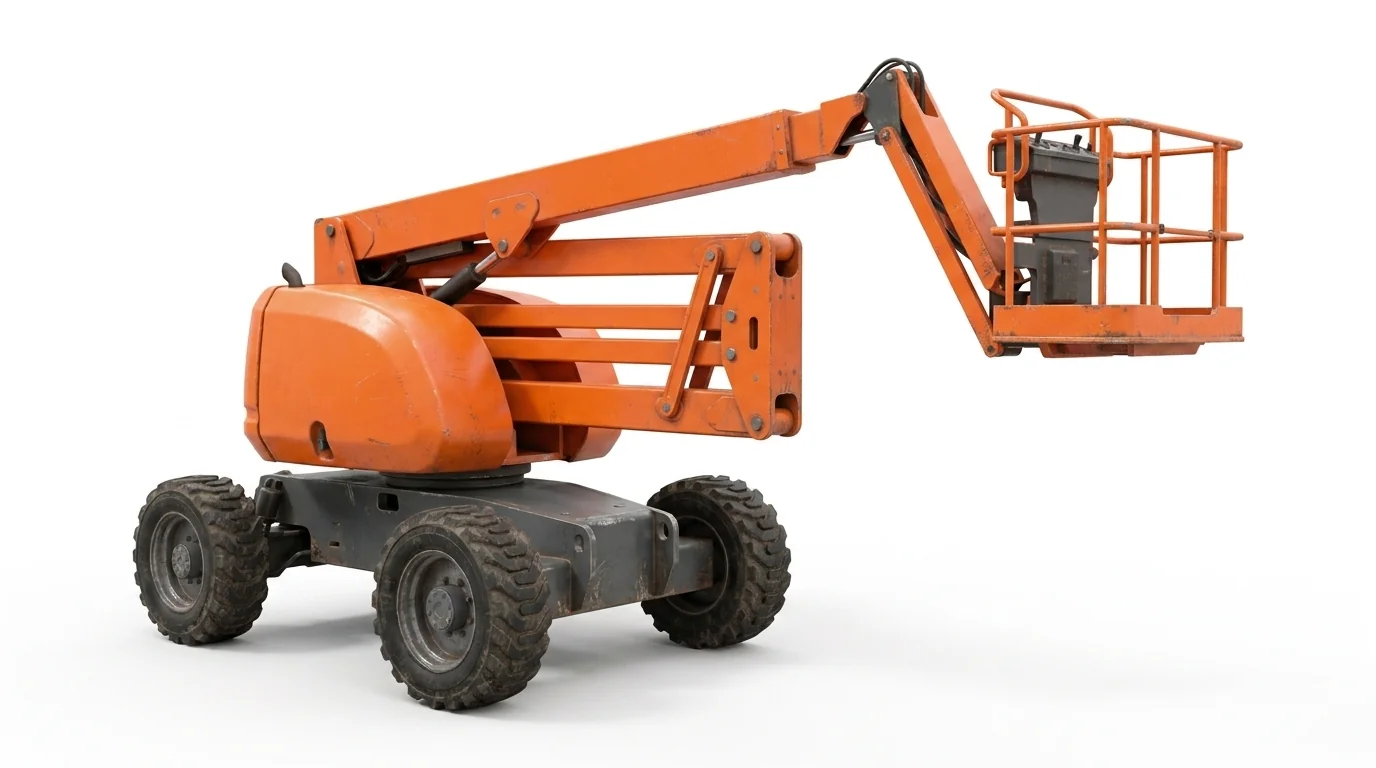
The key question: can the machine sit below the task, or must it reach over something to get there? When a straight path is blocked by mezzanines, lighting, or roof trusses, an articulating boom’s knuckle clears the obstruction and positions the platform close to the work plane.
- Overhead maintenance inside large distribution spaces often calls for a narrow chassis and tight inside turning radius.
- Subsurface facilities with controlled interiors favor zero-emission units and non-marking tires.
- Exterior work on hilly ground may require rough-terrain capability and platform height that still allows precise positioning.
Local conditions that affect selection
Springfield’s mixed-humid weather and frequent transitions between climate-controlled interiors and outdoor areas make power type a planning detail. Electric articulating booms support clean indoor access. Dual-fuel or internal combustion variants handle long outdoor moves, ramps, and uneven surfaces common on Ozark Plateau sites.
Karst-influenced terrain means approach routes can include swales, patched asphalt, or compacted gravel. Plan for gradeability to reach the setup point, not just platform height at the task.
Size and reach considerations
- Up-and-over clearance: prioritize models with sufficient articulation height to clear ductwork, conveyors, or parapets.
- Horizontal reach: confirm the working radius to the target area once the obstacle is cleared.
- Platform capacity: factor the combined weight of people, tools, and materials expected at height.
- Chassis width: narrow-aisle variants can navigate between racking or through standard double doors.
Where articulating booms fit in the local mix
- Interior lighting, sprinkler, and sensor work in tall storage areas.
- Mechanical and electrical routing above existing lines, where a straight boom can’t square up.
- Building exterior punch lists around canopies and facade elements on sloped approaches.
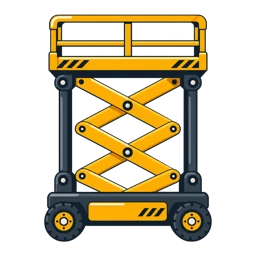
For simple vertical access without obstacles, compare with /electric-scissor-lift-rental/. For long exterior reaches across open ground, compare with /telescopic-boom-lift-rental/.
Planning checkpoints before you call
- Measure obstacle height and depth to define up-and-over clearance.
- Note floor type, ramp grades, and doorway widths from delivery point to work zone.
- Identify whether the lift must transition between indoor and outdoor areas in the same day.
Actual conditions, the selected unit’s instructions, and site procedures govern elevated work.
Related categories
- Straight reach across open ground: /telescopic-boom-lift-rental/
- General aerial options overview: /aerial-lift-rental/
- Vertical-only tasks: /electric-scissor-lift-rental/